
Marijuana Wax: How It’s Made and Why It’s So Potent
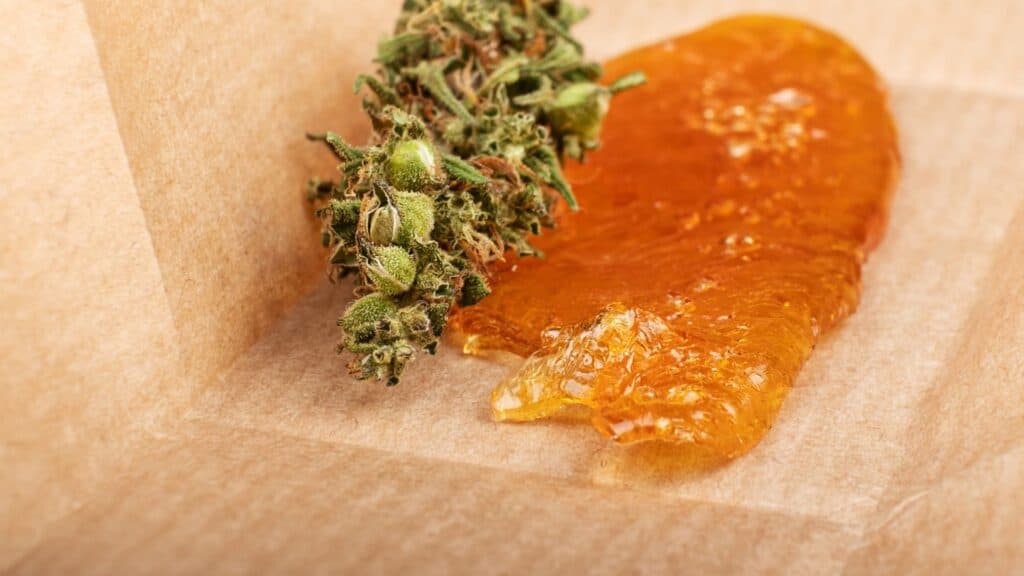
Marijuana wax is one of the most popular cannabis concentrates on the market today. Known for its sticky texture and extremely high tetrahydrocannabinol (THC) levels, wax has become a favorite among experienced users who want stronger effects than cannabis flower can provide.
This article explains how marijuana wax is produced, why it concentrates potency, and the safety, health, and addiction concerns it raises.
What Is Marijuana Wax?
Marijuana wax is a cannabis concentrate that contains much higher levels of THC than regular cannabis flower. While cannabis buds usually have 15% to 25% THC, the amount of THC in marijuana wax can reach between 60% to 90%. Because of this high potency, regular use can increase the risk of developing cannabis use disorder.
It is part of the same group of concentrates as shatter, budder, and crumble. These products differ in texture, but all are made by extracting cannabinoids and terpenes from the cannabis plant. The substance is usually consumed by “dabbing,” which uses high heat to vaporize the concentrate, though it can also be used in vaporizers or added to joints. For those who struggle with heavy use, a rehab for marijuana addiction can offer support and safer coping tools.
Selecting the Cannabis Plant Material
The process begins with cannabis plant material, usually high-THC buds or trimmings. Because concentrates magnify the chemical profile of the base material, the quality of the cannabis used directly affects the potency, flavor, and safety of the final product.
Solvent-Based Extraction: Butane Hash Oil (BHO) Method
The most common way to make the substance is through BHO extraction. In this method, butane is passed through cannabis plant matter, absorbing cannabinoids like THC and CBD along with aromatic terpenes. The liquid extract is then collected for further processing.
Purging the Solvent
Once extracted, the mixture contains butane that must be removed. This step, called purging, typically involves applying heat and vacuum pressure to evaporate residual solvents.
Finishing Techniques: Whipping and Drying
After purging, producers use techniques such as whipping, drying, or adjusting temperature and pressure to create different consistencies. When whipped, the concentrate takes on a softer, opaque texture known as wax or budder. Other variations, like shatter or crumble, result from slightly different finishing conditions.
High Concentration of THC
The main reason for the drug’s strength is its THC content. With levels reaching up to 90%, it delivers effects far more powerful than smoking cannabis flower. This means that only a very small amount can produce intense psychoactive effects, making dosage control more challenging for some users.
Preservation of Terpenes
Another factor contributing to the potency is its terpene profile. Terpenes are compounds that give cannabis its aroma and flavor while also influencing its effects. When preserved during extraction, it works together with cannabinoids in what researchers call the “entourage effect,” potentially enhancing both flavor and overall impact.
Increased Bioavailability
Because the substance is inhaled in concentrated vapor form, the body absorbs cannabinoids more quickly than when smoking flower. This high bioavailability means the effects not only hit faster but also feel stronger, even in smaller doses.
Potential Health Risks of Homemade Extracts
One of the most significant dangers associated with marijuana wax is the risk of improper extraction. Homemade or unregulated concentrates may contain residual solvents like butane if they are not purged correctly. Inhaling these chemicals can damage the lungs and overall health.
Impact of High Potency on Cannabis Users
While some experienced users seek out budder for its strength, the high THC levels can increase the risk of negative effects such as paranoia, anxiety, dizziness, or even cannabis-induced psychosis in rare cases. Over-intoxication is more common with concentrates than with flower, particularly among less experienced users. Public health agencies in the U.S. caution that younger people and those with mental health conditions may be especially vulnerable to these risks.
Final Thoughts from Blueview Recovery
Marijuana wax is a strong cannabis concentrate made through extraction methods that concentrate THC and terpenes. Its high potency gives fast and intense effects, but it also brings higher risks, especially when made unsafely or used in large amounts. Learning how marijuana wax is made and why it’s so powerful can help people make safer choices and know when it’s time to seek help.
At Blueview Recovery, our outpatient marijuana treatment program in Philadelphia, PA, supports individuals facing dependence or addiction to cannabis concentrates like wax. With compassionate care and evidence-based treatment, we help clients build healthier habits and work toward lasting recovery.